


If you are like most homeowners, you probably press the test button on your GFCI outlets rarely, if ever, and assume they will protect your family for as long as they keep powering things. They sit in bathrooms, kitchens, garages, and on patios, quietly doing their job, so it is easy to forget about them. The risk is that a worn-out GFCI can look normal and still run your appliances, yet no longer trip fast enough when you actually need it.
For homes in Port St. Lucie and across South Florida, that blind spot can be bigger than many people realize. We live with humidity, salt air, storms, and heavy outdoor use around pools and patios, which all put more stress on electrical equipment. Understanding how often GFCI outlets should be replaced, and how to tell when they are past their prime, is one of the simplest ways to keep your home safer around water.
Since 2009, our licensed and insured electricians at Excel Electric LLC have inspected and replaced many GFCI outlets in local homes. We routinely find devices that still power hair dryers and pressure washers, but fail the basic safety tests they are designed to pass. In this guide, we will share what we see in real Port St. Lucie homes, how GFCIs actually wear out, and how to decide when it is time to test, repair, or replace them.
What GFCI Outlets Do and Why Their Condition Matters
A GFCI outlet, or ground fault circuit interrupter, constantly monitors the electricity flowing through it. Inside the device, a small sensor compares the current leaving on the hot wire with the current returning on the neutral wire. Under normal conditions, those two amounts match closely. If the GFCI detects a difference that could mean electricity is leaking through a person or another unintended path, it cuts power in a fraction of a second.
This fast reaction is what helps protect you when you are using a hair dryer near a sink, plugging in a pressure washer outside, or running a pump by a pool. That protection does not come from the plastic faceplate. It comes from sensitive electronics and mechanical parts hidden inside the outlet body. Those components have to stay precise and responsive for the GFCI to trip at the right time and at the low fault currents that can be dangerous to people.
Over years of use, those internal parts can degrade. Springs can weaken, contacts can pit or corrode, and electronic components can drift out of their original tolerances. The outlet may still pass enough power for a lamp or tool to work, but the internal sensing circuit may no longer react properly to a fault. Our electricians see this often during complimentary safety checks, where a GFCI looks fine on the wall yet fails its test, which means it is no longer doing the critical safety job you installed it for.
Because GFCIs are often installed anywhere electricity and water can mix, especially in kitchens, bathrooms, garages, laundry areas, and outdoors, their condition is not an abstract technical detail. A healthy GFCI can greatly reduce the risk of serious shock in these locations. A tired one can give a false sense of security. This is why understanding their lifespan and replacement frequency matters just as much as having them installed in the first place.
How Long Do GFCI Outlets Typically Last?
There is no single expiration date that applies to every GFCI outlet. Most manufacturers design them for many years of service under typical indoor conditions, and general guidance treats them as having a service life measured in years rather than decades. In practice, GFCIs do not reliably last for the full life of a home. Instead, their effective lifespan depends on where they are installed, how they are used, and what they are exposed to over time.
Indoor GFCIs in relatively dry, climate-controlled areas usually last longer than those outdoors or in damp locations. A bathroom GFCI that sees steam from showers, hair dryers every morning, and occasional splashes is working in a harsher environment than one in a home office. A garage outlet near a water heater, washer, or utility sink, where moisture and dust are common, also tends to age faster. Each trip event, especially if caused by borderline overloads or frequent plugging and unplugging, adds mechanical wear.
In Port St. Lucie and South Florida, outdoor and semi-outdoor locations are especially tough on GFCI outlets. Humidity, rain, and salt in the air work their way into boxes and around covers over time. Even weather-resistant devices and in-use covers cannot completely eliminate exposure. We often find that outdoor GFCIs on patios, by pools, or near docks show signs of corrosion or intermittent operation years before indoor counterparts installed at the same time.
From what we see in the field, many GFCIs that are 10 to 20 years old, especially the original ones in older homes, are at much higher risk of failing a proper test, even if they still power devices. That does not mean every outlet must be automatically replaced at a certain birthday, but it does mean that age plus environment is an important factor. A thoughtful approach looks at where the GFCI is located, how old it is, and how it behaves during testing, and then uses that information to decide when replacement makes sense.
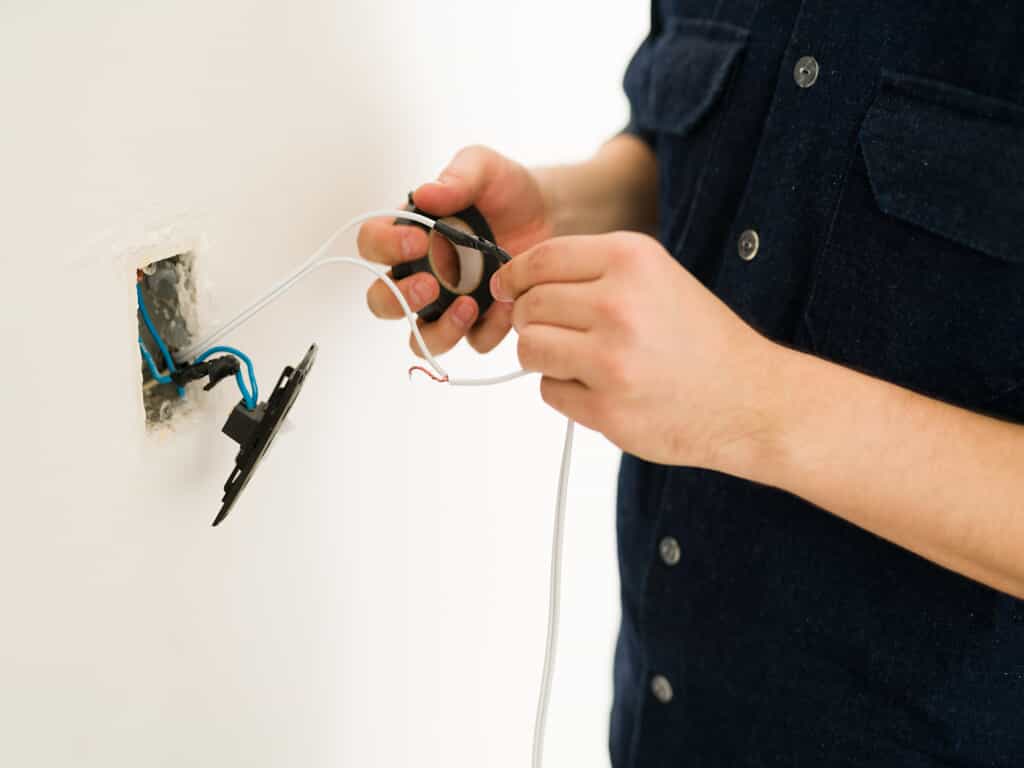
How Often Should You Test and Replace GFCI Outlets?
Manufacturers commonly recommend that homeowners test GFCI outlets regularly using the built-in test and reset buttons. Many guides mention monthly testing as ideal. In reality, most people do not remember to test that often. For many households, aiming to test GFCIs at least a few times a year, and always after any electrical work or major storm, is a more realistic habit. The important part is that testing becomes something you do on purpose, not something you never get around to.
A basic test is simple. You plug in a small device or lamp to confirm the outlet has power. Then you press the test button, which should shut off power and cause the reset button to pop out. Next, you press the reset button to restore power and confirm the device or lamp comes back on. If pressing test does nothing, if the reset button will not stay in, or if power does not come back after a reset, that GFCI has failed its basic job and should be replaced rather than ignored.
As for replacement frequency, a practical guideline is to start evaluating GFCI outlets more closely as they approach around a decade of service, and to be more proactive about replacement in damp or outdoor locations. If an outlet is older, lives in a harsh environment, or shows any odd behavior during testing, replacing it is a reasonable safety upgrade. In many homes, that means planning a round of replacements when the house reaches a certain age, or when you buy an older home that still has its original devices.
One detail many homeowners are not aware of is that a single GFCI can protect multiple outlets downstream on the same circuit. The device has line terminals, where power comes in, and load terminals, where protected power goes out to other receptacles. If the GFCI on the wall fails, it may compromise protection for every outlet tied to its load side. This is another reason why testing and replacement are not just about the one device you see, but about the entire stretch of outlets it protects.
When our electricians at Excel Electric LLC perform complimentary safety checks, GFCI testing is a standard part of the visit. We identify outlets that fail testing, older devices in tough locations, and GFCIs that are protecting multiple receptacles. Then we give clear, prioritized recommendations on what should be replaced now and what can be monitored. This approach gives you a plan instead of guesswork and helps tie testing and replacement frequency to the actual condition of your home.
Signs Your GFCI Outlet Needs Replacement Sooner
While age and environment are big factors, many GFCI outlets tell you they are in trouble long before you start thinking about the calendar. Functional problems are the most obvious warning signs. If pressing the test button does not shut off power, the internal sensing and tripping mechanism may no longer be working. If the reset button will not latch or keeps popping out immediately, the device is not restoring protection properly. Both situations call for prompt replacement.
Frequent or unexplained tripping is another sign to pay attention to. Sometimes a GFCI trips because of a genuine problem, such as a faulty appliance or a wet connection. In other cases, aging internal components become overly sensitive or inconsistent, causing nuisance trips. If an outlet that used to behave normally suddenly starts tripping with light loads, or trips whenever you plug in a routine tool, it is worth having an electrician check whether the GFCI itself has become unreliable.
Visual and physical clues matter too. Discoloration around the outlet face, a scorched smell, or visible cracking may indicate overheating or internal damage. A GFCI that feels loose in the box, makes buzzing or sizzling sounds, or feels unusually warm to the touch under normal load is not something to ignore. These symptoms suggest mechanical wear on contacts, loose terminations, or damaged parts that can progress into bigger hazards if left in place.
There are also quieter signs. For example, an outlet that occasionally loses power and then seems to work again, or one where the test button sometimes works and sometimes does nothing, may have intermittent internal connections. In our experience, these devices rarely get better on their own. Replacing them is usually a simple, inexpensive fix compared to the potential consequences of living with an uncertain safety device.
When a GFCI shows any of these warning signs, it makes sense to move replacement from the “someday” list to the “soon” list. If the outlet is in a critical area, such as near a sink, in a bathroom, or by a pool, same-day service is often the right call. At Excel Electric LLC, we offer same-day appointments for urgent electrical issues so we can restore reliable protection in these locations before you are tempted to keep using a questionable outlet.
Why South Florida Homes Are Hard on GFCI Outlets
Port St. Lucie and the rest of South Florida present a tougher environment for GFCI outlets than many inland areas. High humidity is a constant, which means moisture can slowly find its way into wall boxes, outdoor enclosures, and even fixtures that look sealed. Over time, that moisture encourages corrosion on metal contacts and circuit boards inside the GFCI, which can change how the sensing system behaves and shorten the device’s useful life.
Salt in the air is another South Florida factor. Even if you are not directly on the ocean, coastal breezes carry salt that settles on exterior surfaces. When combined with humidity, that salt encourages oxidation and pitting on exposed metal parts. Outdoor GFCIs on patios, near pools, on docks, and by exterior doors face this combination daily. We frequently find that these outlets deteriorate faster than similar devices tucked away in a dry interior hallway or bedroom.
Then there is usage. Many local homes have active outdoor lifestyles, with pools, hot tubs, outdoor kitchens, pressure washers, and landscape lighting all powered from exterior outlets. These circuits see more plugging and unplugging, more temporary loads, and more chances for water to be nearby. Garages and utility areas often handle washers, freezers, and tools, adding their own mix of moisture and vibration. All of this makes the GFCIs in these areas some of the hardest working outlets in the home.
On top of environmental stress, code requirements for where GFCIs are needed have expanded over the years. Older homes in Port St. Lucie might only have a few GFCI outlets in obvious spots, while many newer homes have them covering many more circuits. When we inspect a home that was built or last upgraded under older rules, we often find opportunities not only to replace tired devices, but also to add GFCI protection in places where today’s standards and best practices expect it.
As a family-owned company rooted in this community since 2009, we have spent years seeing how the South Florida climate affects electrical systems. That local perspective shapes our recommendations. We tend to be more proactive about testing and replacing outdoor and garage GFCIs here than we might be in a dry, inland region, because the local conditions can genuinely shorten their reliable service life.
DIY GFCI Checks vs. When to Call a Licensed Electrician
There is a clear line between what most homeowners can safely do with GFCI outlets and where a licensed electrician should step in. Testing your outlets with the built-in buttons is firmly on the safe side of that line. As long as you follow basic precautions, such as standing on a dry surface and not handling cords with wet hands, pressing test and reset once or twice a year is a straightforward way to check whether the device appears to be working.
Some homeowners also choose to use a simple plug-in GFCI tester, which can add another layer of basic checking. These testers can indicate whether the outlet appears to be wired correctly and whether the device trips when they simulate a fault. While these tools are helpful, they are not perfect, and they do not replace a professional inspection. They also do not tell you anything about the condition of downstream outlets that may be protected by the same GFCI.
DIY replacement is where things often become risky. GFCI outlets have two sets of screw terminals: line, where the power from the panel comes in, and load, where protected power can feed additional outlets. Swapping these or connecting wires incorrectly can leave downstream receptacles unprotected while giving the impression everything is fine. We frequently encounter GFCIs that were installed with the line and load reversed or with multiple circuits crammed into a box that was never meant to hold them.
Homeowners also cannot easily judge other code and safety details, such as box fill limits, grounding continuity, or whether the circuit would be better served by a different configuration. A GFCI that fits into the opening is not automatically a safe or compliant installation. That is why we generally recommend that if a GFCI fails testing, shows damage, or clearly needs to be replaced, you let a licensed electrician handle the wiring, especially in older homes with mixed or unknown wiring practices.
At Excel Electric LLC, we take a consultative approach to this line between DIY and professional work. We encourage homeowners to test their outlets and to call us with what they see. From there, we can schedule a visit with straightforward pricing so you know the cost before we start. If we find that one bad GFCI is just the tip of an older system that needs several upgrades, we walk you through the options, not just for the outlet you called about but for your overall safety and convenience.
Planning a GFCI Upgrade for Long-Term Home Safety
Instead of treating GFCI replacement as a one-off reaction whenever an outlet fails, it helps to think of it as part of your long-term home safety plan. In homes that are reaching the 10 to 20 year mark, or in houses you have recently purchased where you do not know the upgrade history, scheduling a full review of GFCI coverage is a smart move. This includes checking that GFCIs are present where they should be, testing them, and identifying any that are older or in harsh locations.
Once you have that picture, there are usually two phases. The first is addressing clear problems now: any GFCI that fails testing, shows damage, or clearly protects multiple outlets should be prioritized. The second is planning to replace groups of aging devices in a single visit. For example, swapping out all the outdoor and garage GFCIs at once, or updating every bathroom outlet during one appointment. This approach is often more efficient, less disruptive, and gives you a clean baseline going forward.
In some homes, a GFCI upgrade goes hand in hand with other safety improvements, such as adding protection where it is currently missing or evaluating the main panel and breakers. While that is beyond the scope of a simple outlet swap, it is part of the bigger picture of bringing an older electrical system closer to modern expectations. We help homeowners prioritize this work so they can tackle the most important risks first and spread larger projects out when needed.
Our team at Excel Electric LLC has been helping Port St. Lucie and South Florida homeowners make these plans since 2009. We back our work with a 100% satisfaction guarantee, and we stand behind the safety upgrades we recommend. With complimentary safety checks, clear communication, and financing options for larger projects, we aim to make GFCI upgrades and related improvements manageable rather than overwhelming.
Keep Your GFCIs Reliable & Your Home Safer
GFCI outlets are small devices, but they do an outsized job helping protect your family anywhere electricity and water meet. They do not last forever, and in South Florida’s climate they work harder than many people realize. By testing them regularly, paying attention to age and location, and replacing them before they quietly stop doing their job, you greatly reduce the risk of serious shocks in your home.
If you have GFCIs that are more than a decade old, live in bathrooms, garages, or outdoors, or have already failed a basic test, this is the right time to act. We can visit your Port St. Lucie or South Florida home, perform a complimentary safety check that includes GFCI testing, and give you clear options for replacement or larger upgrades if needed. To schedule a convenient appointment with Excel Electric LLC, call us today.